Pawn Loan Alternatives
KM
Katy McWhirter
Finance & Loans Editor · Updated September 2026

Katy McWhirter
Finance & Loans Editor · Updated September 2026
Imagine it is a Tuesday morning in 2026, and your car's transmission has just failed, leaving you with an immediate $1,200 repair bill and an empty bank account. You walk into the local pawn shop, hoping to trade that silver heirloom for quick cash, only to realize the interest rates are astronomical—often exceeding 100% APR when calculated annually. While pawning provides nearly instant liquidity, it is rarely the most cost-effective path for managing sudden expenses or long-term debt.
For many borrowers, exploring Personal Finance strategies like unsecured personal loans or credit union microloans can provide a much more sustainable way to manage cash flow. In 2026, the landscape of alternative lending has shifted significantly toward digital speed and transparency. While pawn shops offer immediate cash without a credit check, they do so by taking physical possession of your assets, which carries significant risk if you cannot repay the loan on time.
By looking into pawn loan alternatives, you can often find much more favorable terms. For instance, while a pawn shop might charge hundreds in fees for a small amount, an unsecured personal loan with an APR ranging from 8% to 36% could cost you significantly less over the same period. This article will help you navigate these options, providing a clear framework to decide whether you should leverage your credit, your assets, or a specialized microloan to get through your current financial hurdle.
If you have maintained a healthy relationship with credit bureaus like Experian, an unsecured personal loan is often the most logical step away from high-interest pawn loans. Unlike pawning, where your collateral is a physical object, in this scenario, your 'collateral' is your reputation for paying back debt. This allows you to keep your jewelry, electronics, or vehicles while accessing the liquidity you need.
In 2026, unsecured loans have become increasingly accessible through digital-first lenders. For example, consider a borrower who needs $5,000 to consolidate high-interest debt. If they secure an unsecured loan at 12% APR over a term of 36 months, their monthly payment would be approximately $166.07. Compare this to the psychological and financial cost of losing a valuable asset in a pawn shop due to a missed deadline.
However, it is important to remember that these loans are not guaranteed. Approval and interest rates depend entirely on your credit profile and debt-to-income ratio. While they offer much lower costs than pawning, the trade-off is the requirement for a consistent repayment schedule and a solid credit history. For those with limited credit access, other avenues like secured personal loans might bridge the gap.
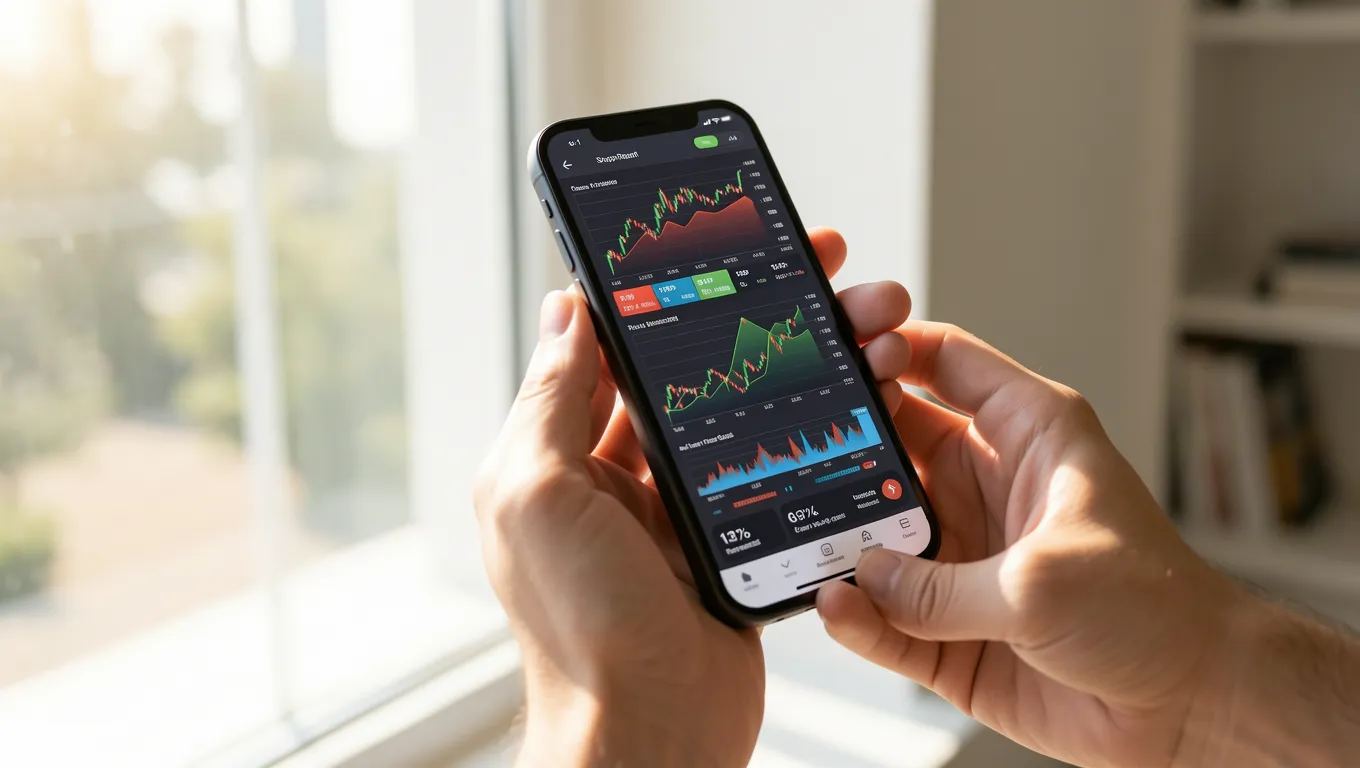
Many people turn to pawn shops because they feel they have no choice but to part with their belongings. However, there are several ways to leverage your assets that do not involve a shopkeeper locking your items in a safe. One such method is the Home Equity Line of Credit (HELOC), though this is generally better suited for larger, long-term needs rather than immediate $500 emergencies.
Another nuance involves using life insurance policies or retirement accounts as a secondary source of liquidity. For example, some 401(k) plans allow you to take a loan against your own contributions. If you were to borrow $3,000 from your retirement account, you are essentially paying interest back to yourself rather than to an external lender. This avoids the high costs of predatory lending but carries the risk that if you leave your job, the balance may become due immediately.
When searching for alternatives, you will likely find yourself choosing between a traditional bank and a peer-to-peer (P2P) lending platform. Each has distinct advantages depending on your specific situation in 2026. Traditional banks often offer the lowest interest rates, but their approval process can be slow and their requirements much more stringent than those of alternative lenders.
P2P lending platforms have revolutionized this space by connecting individual investors directly with borrowers. This competition often results in faster approvals—sometimes within hours rather than days. If you are looking for a middle ground, services like JetzLoan can act as a resource to help you compare various lenders and see what might be available to you based on your profile.
Let's look at an honest comparison of the two strategies:
While searching for alternatives, you must remain vigilant about the 'hidden' costs that can make an alternative loan feel just as predatory as a pawn shop. One common mistake is focusing exclusively on the monthly payment amount rather than the total cost of credit over the life of the loan.
Warning: Always verify the APR and any origination fees before signing a loan agreement; a low monthly payment often masks a very high total interest cost. For instance, if you take out a $3,000 loan with an advertised rate of 15% but face a 5% origination fee, that $150 fee is paid upfront and significantly increases your actual effective APR.
Another pitfall involves the temptation of 'payday alternative loans' (PALs) offered by some credit unions. While these are regulated and much safer than traditional payday loans, they still carry higher interest rates than standard personal loans. You should always weigh the immediate relief of cash against the long-term impact on your monthly budget to avoid a cycle of debt that is difficult to break.
To make an informed decision in 2026, you should follow a structured process rather than reacting emotionally to a financial crisis. This framework ensures that you are choosing the cheapest and safest option available to your specific credit situation.
Follow these steps when deciding on a loan:
For those who find themselves in the difficult position of having low credit scores, traditional alternatives like bank loans may feel out of reach. In these cases, microloans and credit-building loans serve as a vital middle ground between pawn shops and standard personal loans.
Credit-builder loans are unique because you do not receive the money upfront. Instead, the lender holds the loan amount in a locked account, and your monthly payments go toward building that balance. Once the term is complete, you receive the funds. While this does not solve an immediate cash crisis like a pawn shop would, it is an excellent way to improve your score so that you can access lower-interest loans in the future.
In 2026, several fintech companies have also introduced 'nano-loans' designed specifically for small amounts under $500. These are often much cheaper than a pawn shop but still carry higher interest rates than a standard loan because of the high risk to the lender. Understanding these nuances allows you to use debt as a tool for growth rather than just a temporary fix for a problem.